Commercial as a Cash Cow
Our commercial investments target quality net leased (NN & NNN) properties in quality locales.
A “net lease” is a contractual agreement where a lessee pays a portion or all of the property taxes, insurance, and maintenance costs, in addition to rent. As real estate markets and trends evolve and cycles become apparent, BENA Capital continually monitors key indicators in target markets across the US to identify opportunities for investment. While there are some notable differences between multifamily rentals and net lease investments, what does not change is the rigor behind the due diligence we perform prior to an acquisition. Below are key factors we evaluate for each commercial property investment:
Tenant Quality - Similar to multifamily investments, we evaluate the quality and credibility of each tenant. The main difference is that the tenants are typically business entities rather than individuals. We evaluate business performance, balance sheets, and liquidity - not just at the local level, but at the parent company as well. Another key indicator is the credit rating of the business, which is a quantified assessment of the creditworthiness of the tenant with respect to financial obligations. Although even the most profitable company is not a guarantee for future success, the credit rating can be a reliable way to gauge the company’s health and is one of many criteria we take under consideration.
Solid Unit Level Economics - Understanding how well the business performs is a strong predictor of how likely the tenant will be to renew their lease when their term is up. We look at historic revenue, profits, payment history, strength of local demographics, projected supply/demand, and compare performance to other competitors in the neighboring vicinity.
Favorable Lease Terms - Lease terms for net leases are typically 5-30 years. And longer isn’t necessarily better. A 5 year lease with a company that has good unit level economics can be more desirable than one with a longer lease. Take, for example, a 20 year lease tenant with built-in rent increases of 1% annually - while the investor is protected in slow growth or declining markets, if the market’s rent growth is higher than what has been contracted to in the lease terms, the investor is losing out on that growth. We also review the types and frequency of rent increases, property improvements, and escalations to maintenance reimbursements.
Corporate Backing - Where regional franchises are part of a larger national network, we look for leases where the national parent corporation backs the rent payments on the local lease. Since asset value is directly tied to the income that is produced by the tenant, a rent payment guarantee from a national corporation offers more stability and predictability that rent is paid on time and obligations will be met.
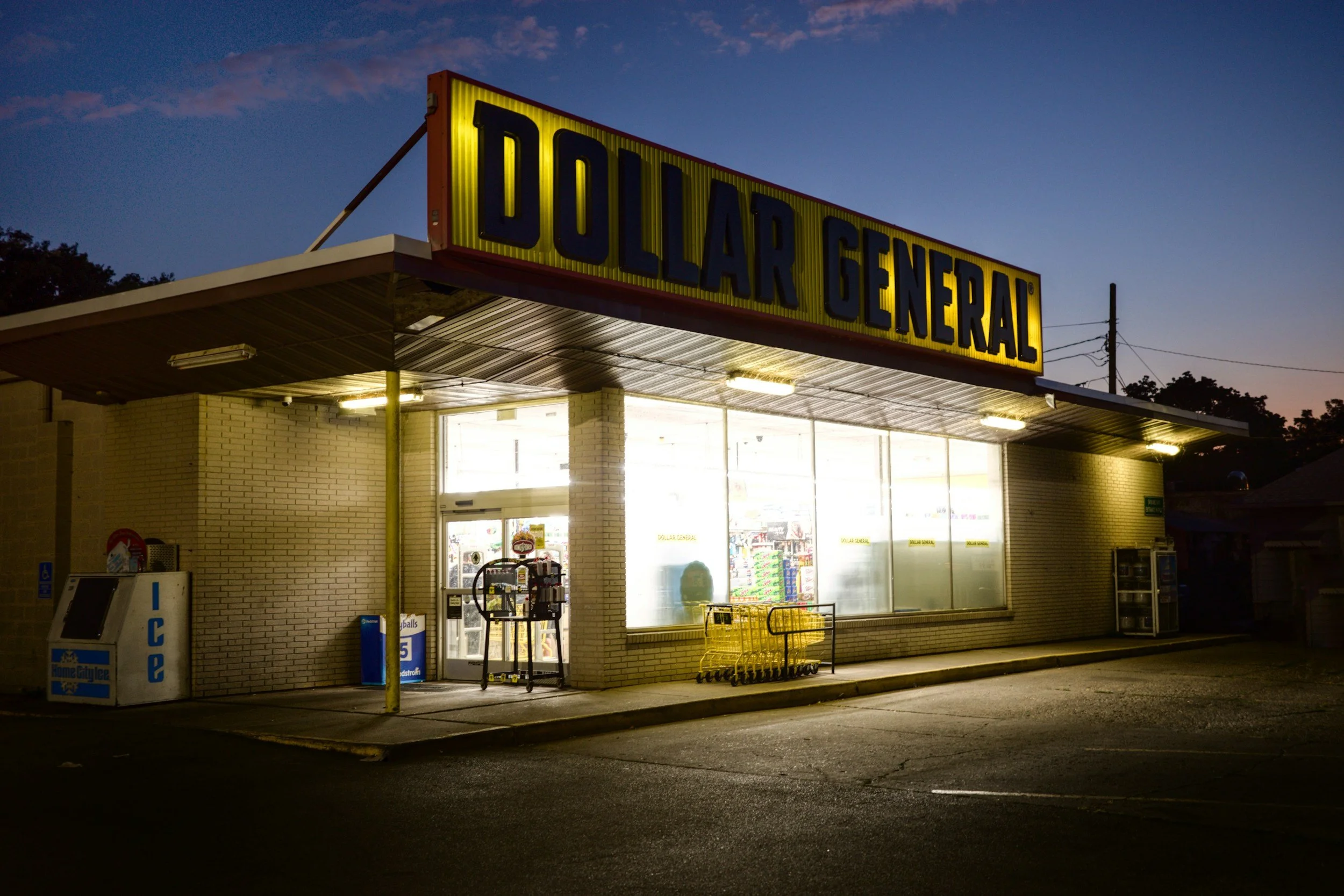
As an example, Dollar General is one of the most sought after tenants for retail sites. It is publicly traded (NYSE: DG), is a growing business, and provides a corporate guarantee to its lease. Three-quarters of U.S. residents now live within five miles of a Dollar General store. DG also shows strength in weak economic environments, providing downside risk protection during recessions.
When executed well, with a defined strategy in place, net leases can produce a steady stream of income for investors. They are a powerful tool in our toolbox for delivering reliable, competitive investor returns.